
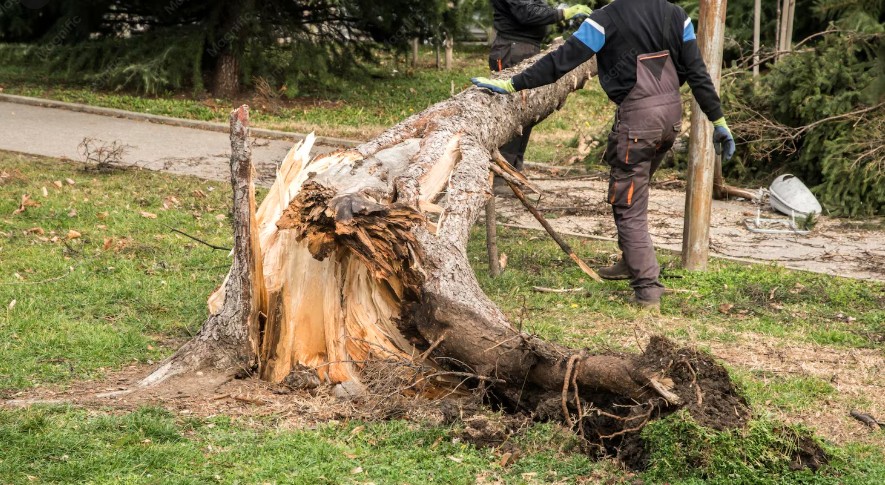
Some trees reach a point where removal is the safest choice. A dead oak, a split pecan, or a leaning elm can fall in a storm and damage a roof, a car, or a person. Austin has heat, drought, thunderstorms, and occasional ice. Those conditions stress trees and make early action more important. This guide explains when removal makes sense, how crews do it safely, and how to hire the right team.
Why Trees Fail in Austin
Austin has a humid subtropical climate. Highs reach 90 degrees on about 123 days a year. The western part of the city sits on thin limestone soil. Heavy clay in the east holds water after rain and can shift under a tree. Thunderstorms bring wind and flash floods, and ice storms hit about every two years. In February 2021, Winter Storm Uri dropped 6.4 inches of snow, and a 2023 freeze damaged many trees. Read More about Austin’s climate and weather.
Common Trees and Their Problems
Live oaks, cedar elms, and pecans are common here. Live oaks can suffer from oak wilt, a fungal disease that spreads through roots and insects. Pecans drop heavy limbs, and cedar elms can grow into power lines. Knowing your tree helps you spot trouble early.
Signs a Tree Should Come Down
Consider removal when you see these signs:
- The tree is dead or has no leaves in the growing season
- The trunk has deep cracks, splits, or hollow spots
- Large branches have died or fallen
- Mushrooms or fungus grow at the base
- The tree leans more than it used to
- Roots lift soil or damage your foundation
- The tree sits too close to your house or power lines
- Leaves turn brown and drop early, which can signal oak wilt
If you see one or more of these, ask a certified arborist to inspect the tree. Early action usually costs less than emergency removal.
Types of Tree Removal
Dead tree removal takes out a tree that has stopped growing. Dead wood becomes brittle and can drop limbs without warning. Hazardous tree removal handles trees that lean, split, or threaten buildings. Fallen tree removal clears trees that storms or lightning already brought down. Some jobs also need stump grinding to clear what remains.
How Crews Remove a Tree Safely
A good crew follows a clear process:
- Inspect the tree, the roots, and everything nearby, including power lines.
- Plan where each piece will fall or be lowered.
- Set up a safe work zone and keep people away.
- Bring the right gear, such as ropes, chippers, and sometimes a crane.
- Cut the tree in sections from the top down and lower each piece with ropes.
- Haul away wood and debris, and grind the stump if you asked for it.
- Walk the site with you before the crew leaves.
Large trees near homes need rigging and a crane. This work is dangerous. Do not try to remove a large tree on your own.
Why Certified Arborists Matter
A certified arborist has passed an exam from the International Society of Arboriculture. This person understands tree biology, safe cutting, and risk. A trained eye can spot disease, decay, and weak joints that a homeowner may miss. That knowledge prevents surprises during the job. Ask whether a certified arborist will lead or check your removal.
Permits and City Rules
Austin protects many large trees. Your client’s page notes that protected trees of 19 inches or more at chest height, and heritage trees of 24 inches or more, may need a permit. Rules can change, so check with the City of Austin before you cut a large tree. A good crew will help you find out if you need a permit. Emergency removals may follow different steps, so ask the city and your arborist.
What Affects the Price
Tree size, tree health, and access all affect cost. A tree near a house or power line takes more time and gear. Cleanup, hauling, and stump grinding can add to the price. Emergency calls after storms usually cost more. Ask the crew to explain each line of the estimate.
How to Hire the Right Crew
Use this checklist before you say yes:
- Ask for proof of liability insurance and worker coverage.
- Ask for the arborist’s license number and verify it.
- Get a written estimate that lists the work, the price, and the cleanup.
- Ask whether hauling and stump grinding are included.
- Read local reviews and ask for references from nearby homes.
- Ask how the crew will protect your lawn, roof, and fence.
- Be careful with anyone who knocks on your door after a storm and asks for cash up front.
For large jobs, get at least two quotes. The lowest price is not always the best deal. A crew that cuts corners can damage your property.
Storm Damage and Insurance
After a storm, stay away from fallen trees and downed lines. Call the utility if a wire is involved. Take photos of the damage before work starts. Insurance may cover removal if a tree damages your home, though it often does not cover a tree that falls without causing damage. Ask your insurer for details.
After Removal
Once the tree is gone, you have options. Grind the stump and replant grass. Plant a new tree in a better spot, away from the house and power lines. Pick a species that fits Central Texas weather, and water it during dry spells.
Protect Your Other Trees
Removing one tree can change light and wind around the rest. Check nearby trees for stress after the work. Trim dead branches, and watch for leaning trunks. Regular checks catch problems early.
Planning a move to a home with big trees? Read the things you should know before moving to Austin, TX for tips on housing, traffic, weather, and the trees on your lot.
Austin homeowners have good reasons to act early on risky trees. If you need removal, stump grinding, or storm cleanup, Visit Here to request a free quote from a certified arborist.