
Many people know Austin for music and tacos. Fewer know the stories behind the city. From a standoff over state records to a historic freedom town, Austin has a deeper past than most visitors expect. Here are lesser-known facts that add depth to the city you think you know.
People Lived Here 11,000 Years Ago
People have lived in the Austin area since at least 9200 BC. The Gault Site, between Georgetown and Fort Hood, holds evidence of Clovis culture. Excavations at the French Legation in downtown Austin revealed use about 5,000 years ago. Barton Springs is part of a creation story for descendants of the Coahuiltecan people. Read More Details about Austin’s early history.
A Mission Once Stood in Zilker Park
In 1730, three Catholic missions from East Texas were combined and moved to what is now Zilker Park. The mission stayed only about seven months before moving to San Antonio.
The Archive War
In 1841, Sam Houston tried to move government records out of Austin to protect them from Mexican army raids. Residents blocked the move. This standoff became known as the Archive War. The records stayed, and Austin kept its place as the seat of government.
The City Voted Against Secession
In 1861, voters in Austin and nearby communities voted against Texas leaving the Union. Still, as the Civil War went on, Austin sent hundreds of men to the Confederate forces, often through conscription laws. Some residents hid from the draft in remote places like Hamilton Pool.
Clarksville Is a Freedomtown
After the Civil War, formerly enslaved people founded communities called freedomtowns. Clarksville in Austin is the oldest surviving freedomtown west of the Mississippi River. Wheatville and Pleasant Hill also grew in this period. By 1870, Black residents made up 36.5 percent of Austin’s population.
A Dam Collapsed in 1900
A granite dam on the Colorado River washed away in a flood on April 7, 1900. Its remains formed Red Bud Isle, now a small island with a dog park. The city built a new concrete dam in 1940 that formed Lake Austin.
Railroads Made the City
The Houston and Texas Central Railway arrived in 1871 and turned Austin into a regional trading center for cotton and cattle. Austin also stood at the end of the southernmost leg of the Chisholm Trail.
Segregation Shaped the Map
Through much of the early twentieth century, Anglos, African Americans, and Mexican Americans were separated by law or custom in housing, health care, and schools. After 1935, many housing deeds barred Black residents from owning land in certain areas. Understanding this history helps explain why some neighborhoods look the way they do.
The Music Scene Took Off in the 1970s
Willie Nelson, Asleep at the Wheel, Eric Johnson, and Stevie Ray Vaughan helped put Austin on the music map. Venues like the Armadillo World Headquarters drew crowds. The Victory Grill was a renowned stop on the Chitlin’ Circuit, a network of venues for Black performers.
The Old Airport Became a Neighborhood
Robert Mueller Municipal Airport served as the main airport until 1999. Bergstrom Air Force Base closed in 1993 and became Austin-Bergstrom International Airport. Several old airplane hangars at Mueller now house Austin Studios, a filmmaking center. The Mueller neighborhood grew on the old airport land.
Tornadoes Hit in 1922
The deadliest storm in city limits was a twin tornado event on May 4, 1922. The deadliest tornado outbreak in the metro area was in May 1997. Austin sits on the southern edge of Tornado Alley, so tornadoes are less common than farther north, but severe weather can strike in any season.
It Has a Boil-Water History
In October 2018, heavy rain washed silt and debris into the Highland Lakes. The city issued a mandatory boil-water notice for about a week. In 2021, Winter Storm Uri also led to a boil-water notice that lasted until February 23.
Uber and Lyft Left Once
In May 2016, Uber and Lyft stopped operating in Austin after the city required fingerprint checks for drivers. They returned in the summer of 2017.
Austin Is a Creative City
The city is part of the UNESCO Creative Cities Network in the Media Arts category. The Oasis on Lake Travis is the largest outdoor restaurant in Texas.
Why the Past Matters
Austin’s story goes far beyond its modern image. Knowing the history of its people, places, and hard times gives you a fuller picture. Take a walk through Clarksville, visit the French Legation, or read a marker near the Capitol. The details change how you see the city.
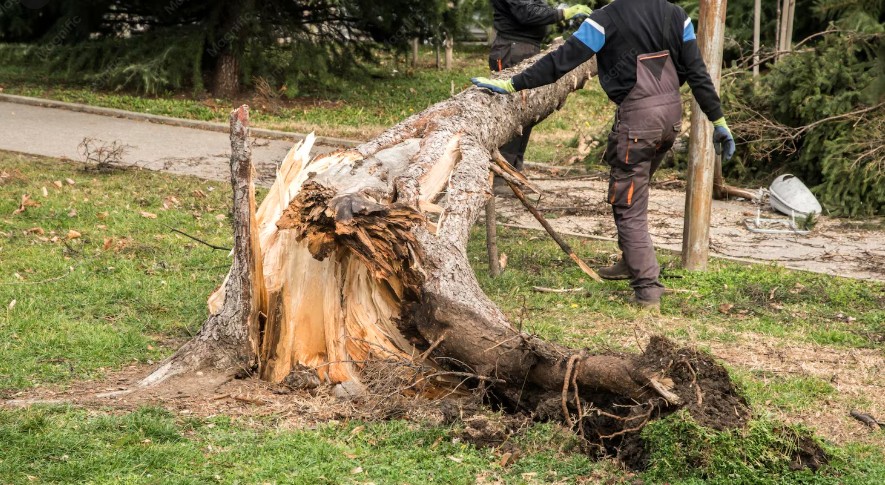
Tornadoes, floods, and freezes are part of Austin’s past, and the same storms still put trees at risk today. Read about expert tree removal service in Austin, TX to learn when a tree should come down.